
Hybrid powertrain
Battery packs plus an onboard range extender that generates electricity in flight. Two full hours with two people on board, and 30 minutes on batteries alone if the range extender stops.
JFA Aviation, Official Dealer
DTA JP1. Hybrid two-seat eVTOL.
The only hybrid two-seat eVTOL in the US, presented here by JFA Aviation, official dealer for the DTA JP1. It is built to replace the two-seat helicopter on the same missions, with two full hours of flight at full payload, in a machine that DTA designed to be safer and easier to fly.
The JP1 prototype is planned to be on display at JFA Aviation's display at the Palm Beach International Boat Show 2027 and at Sun 'n Fun 2027.
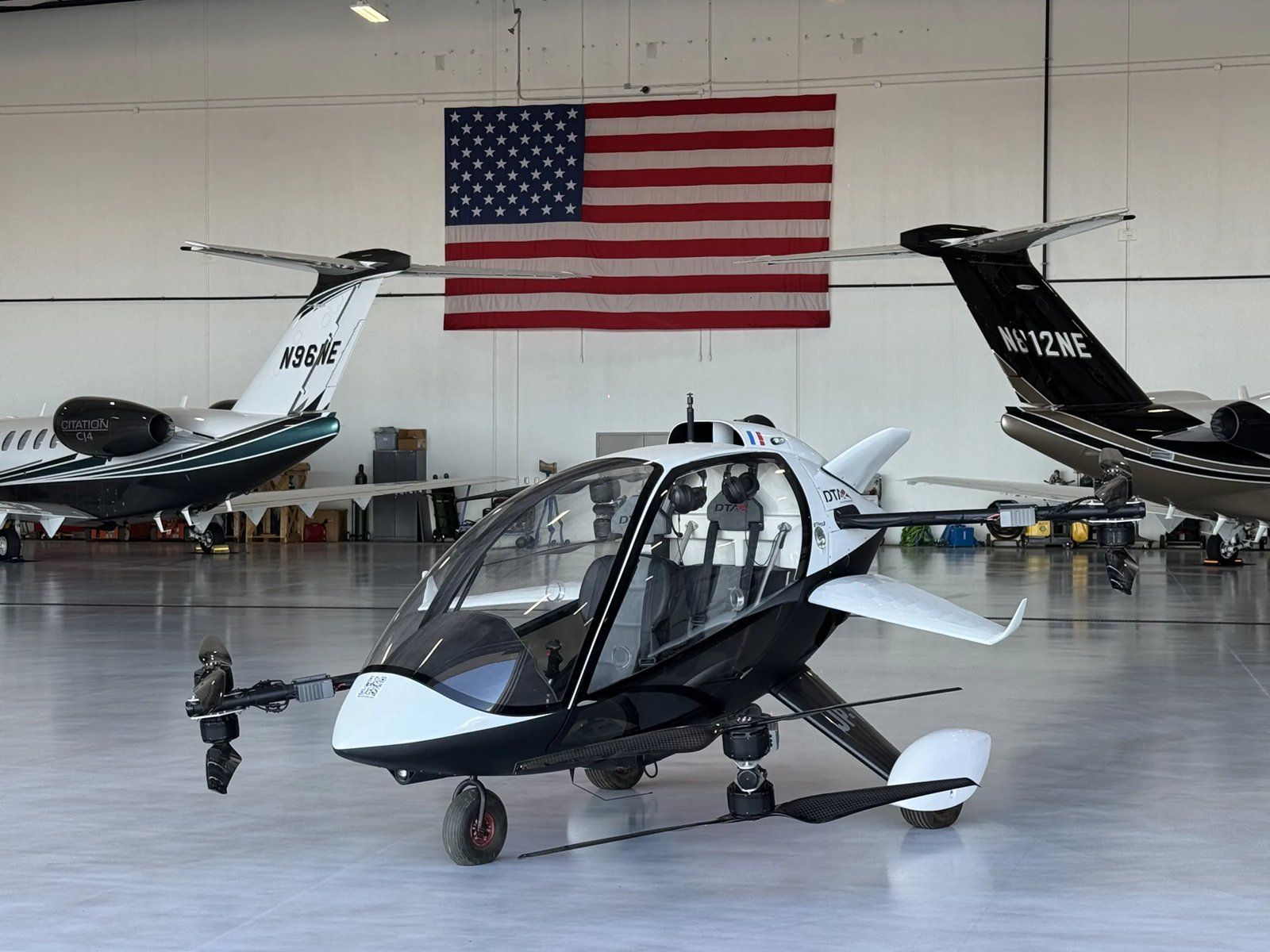
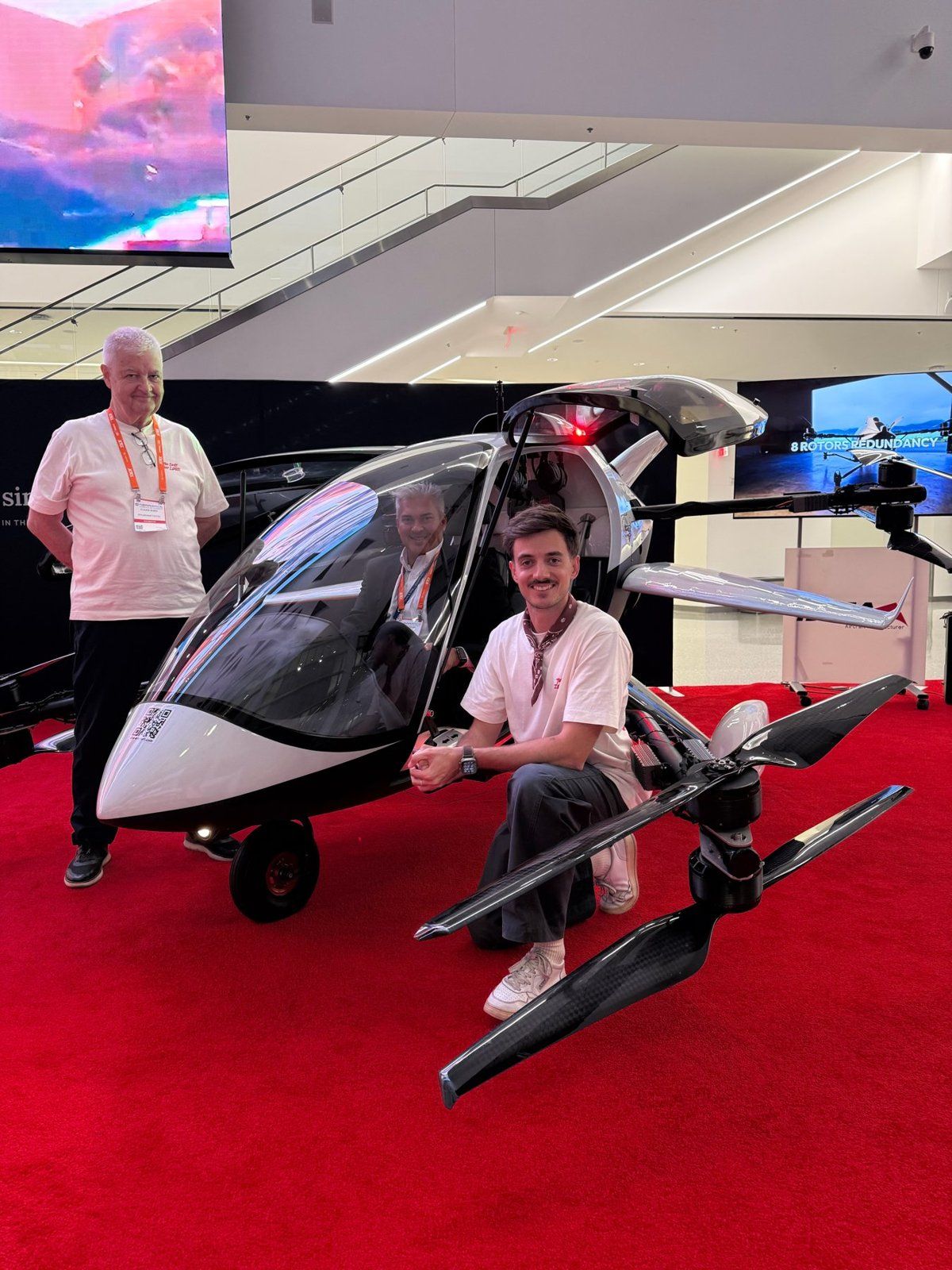
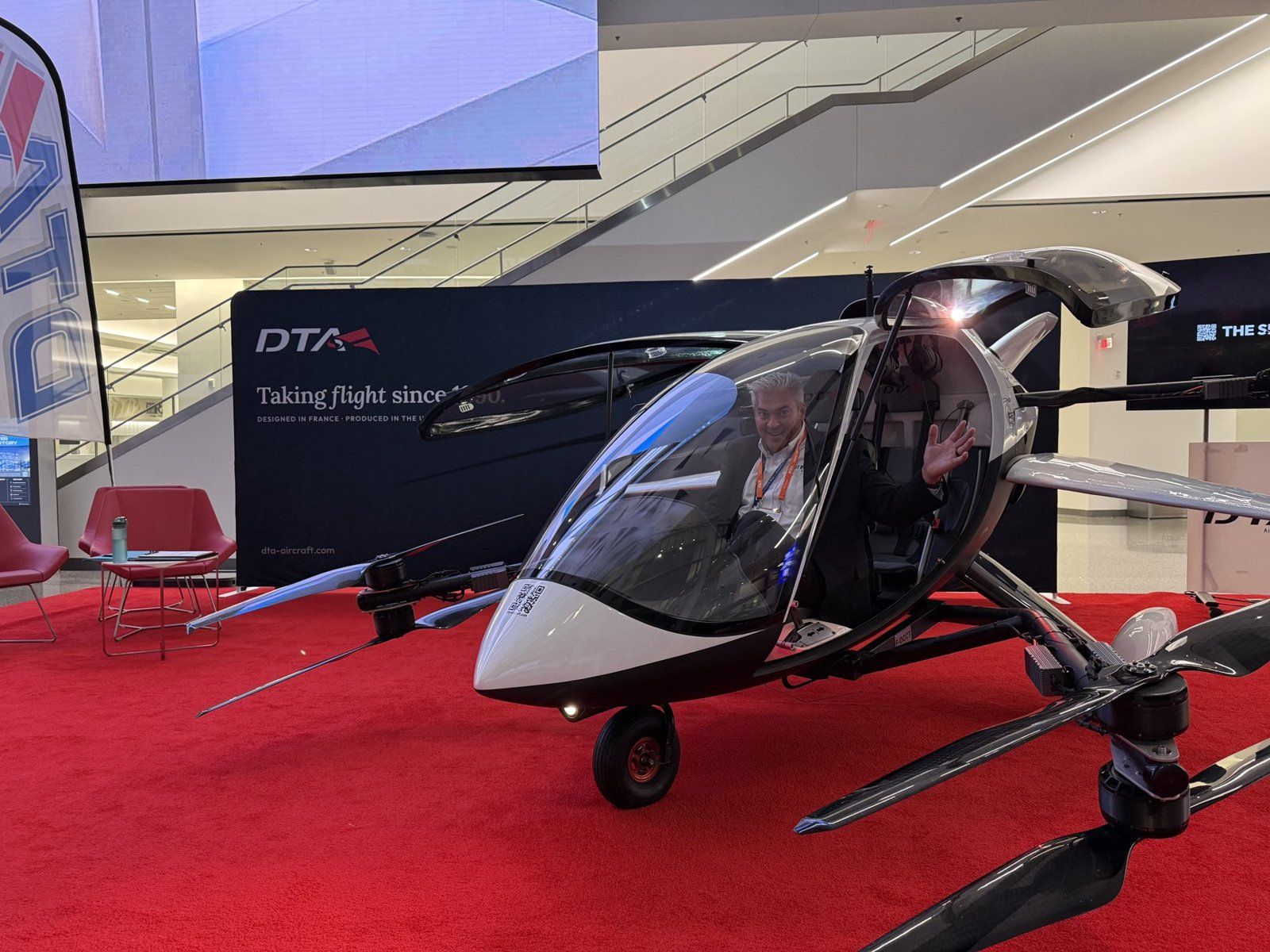
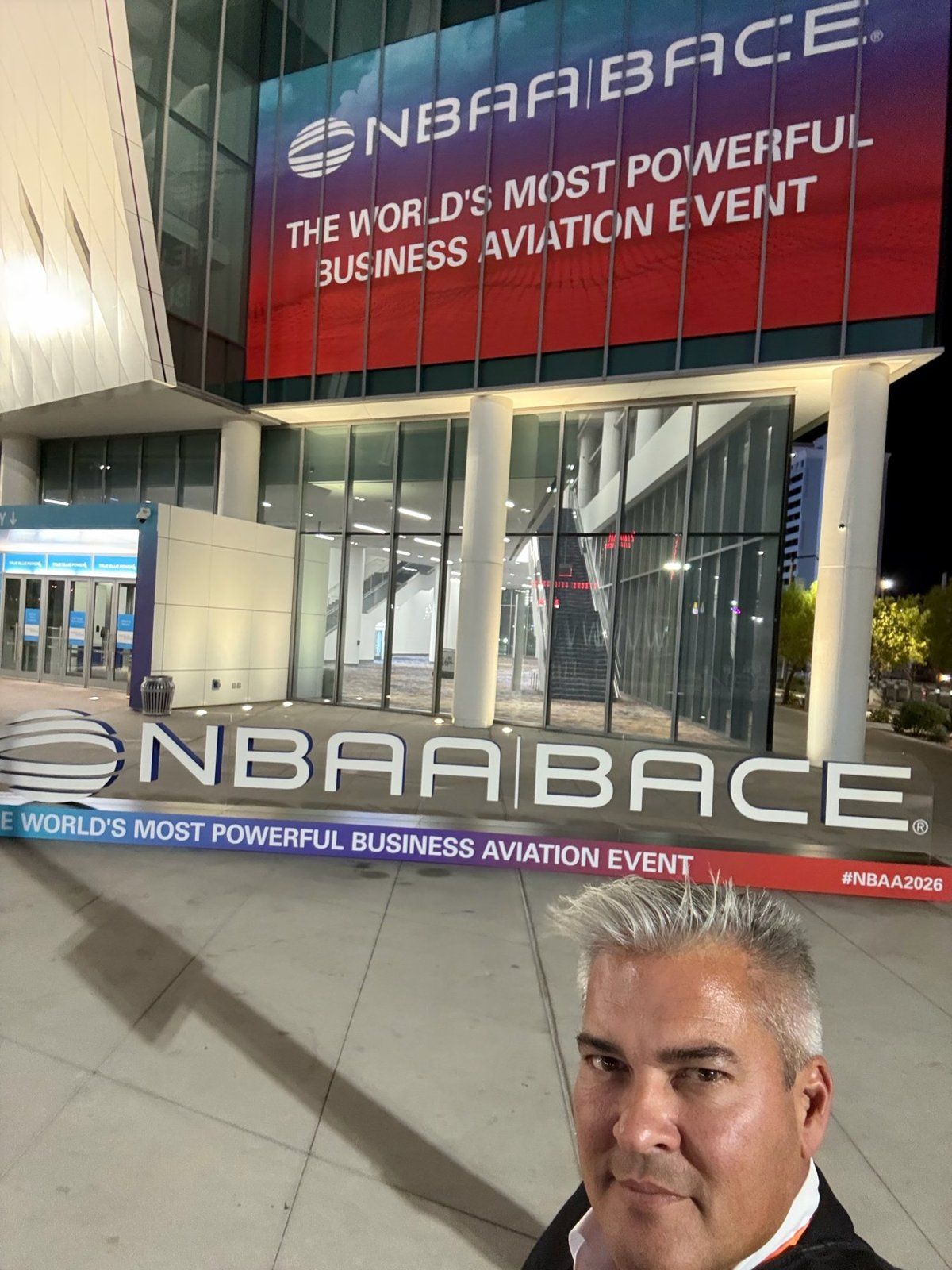
Capt. James Fachtmann first met the DTA Aircraft team in person at NBAA-BACE 2026, the world's most powerful business aviation event. He sat in the JP1 cockpit, talked through the aircraft with the people building it, and followed up with meetings on dealer agreements, marketing, and event planning. The result is JFA Aviation's role as an official JP1 dealer, with the JP1 joining the JFA Aviation display at the Palm Beach Boat Show 2027 and Sun 'n Fun 2027.
Gallery
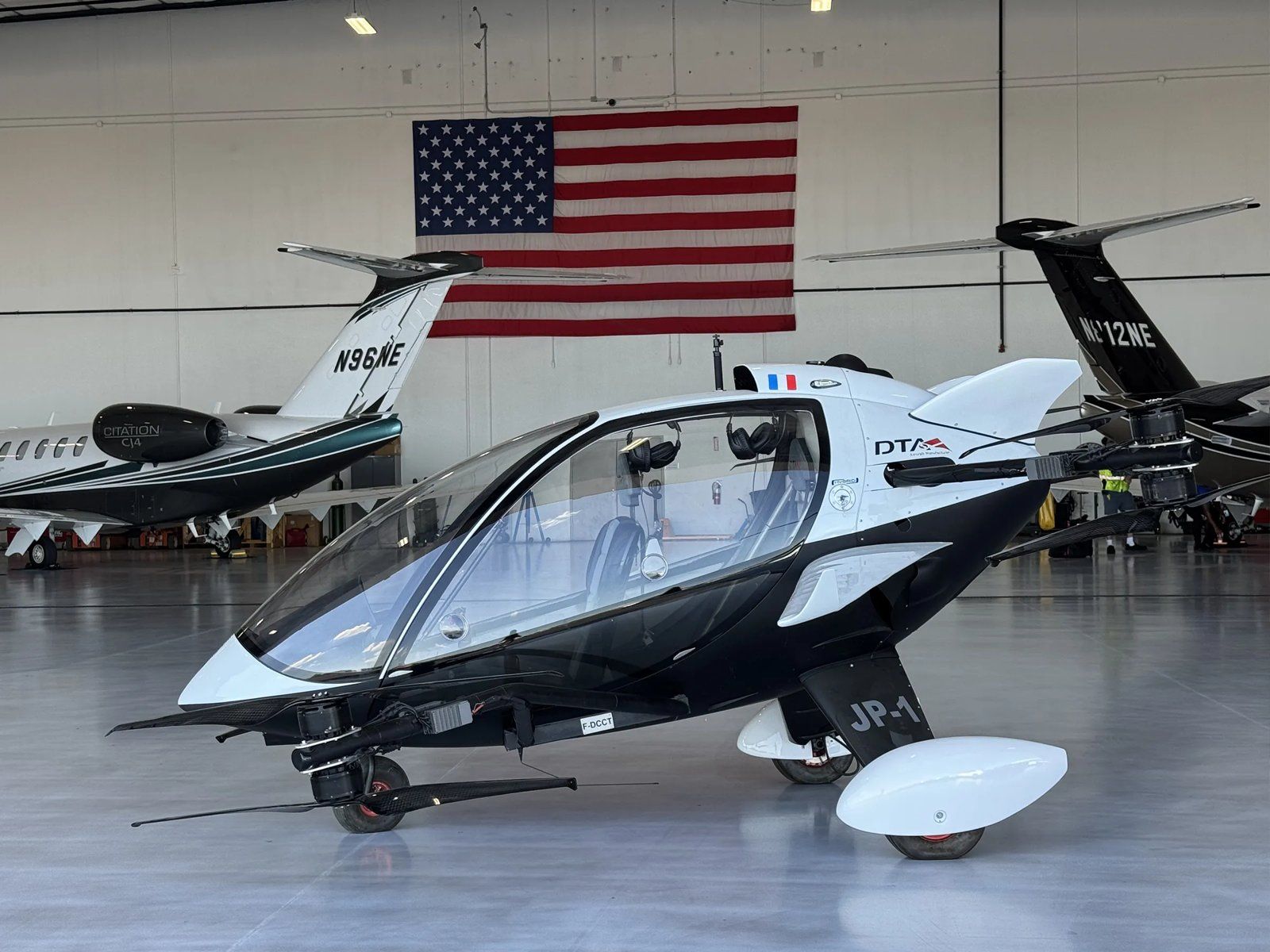
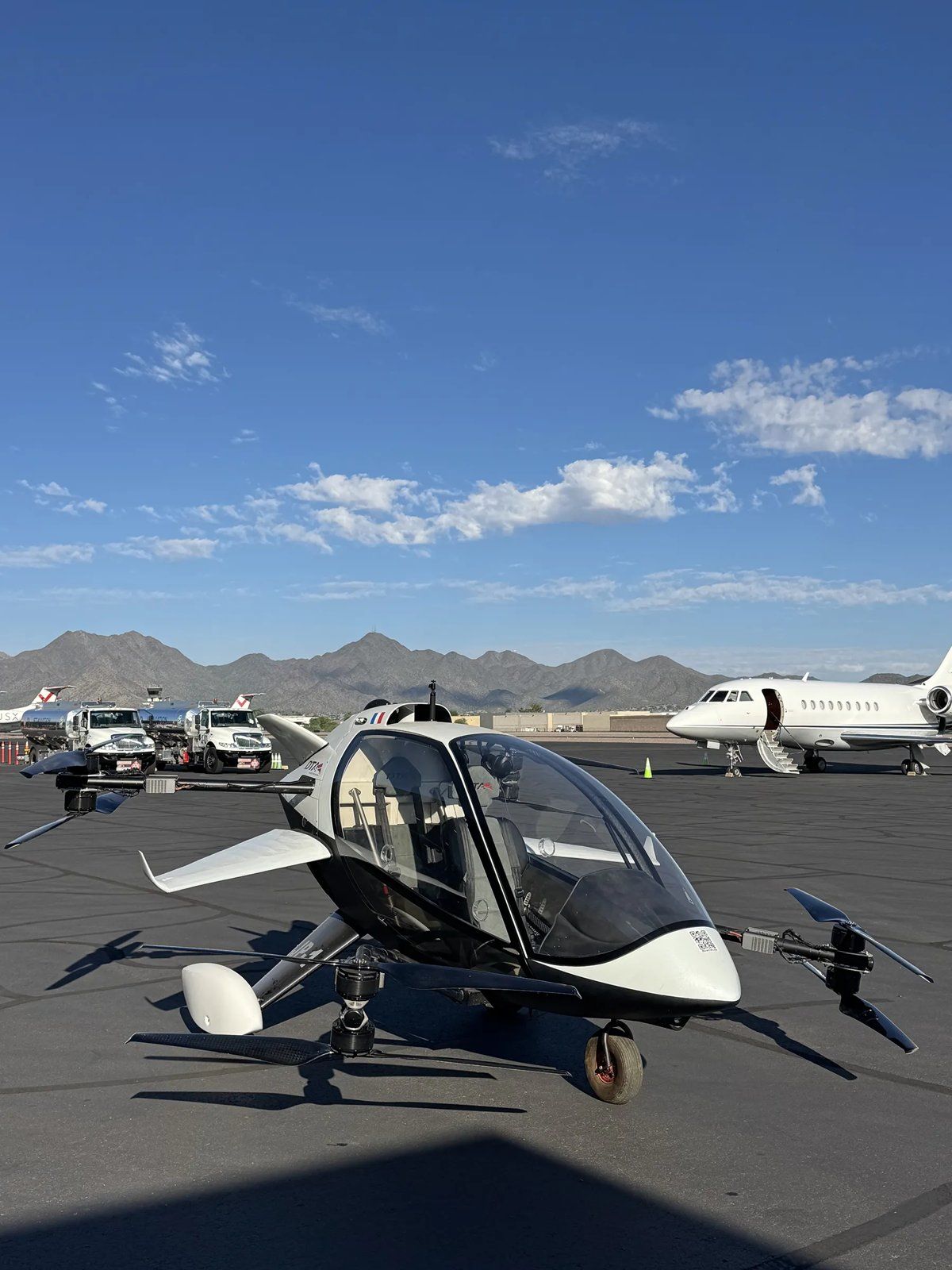
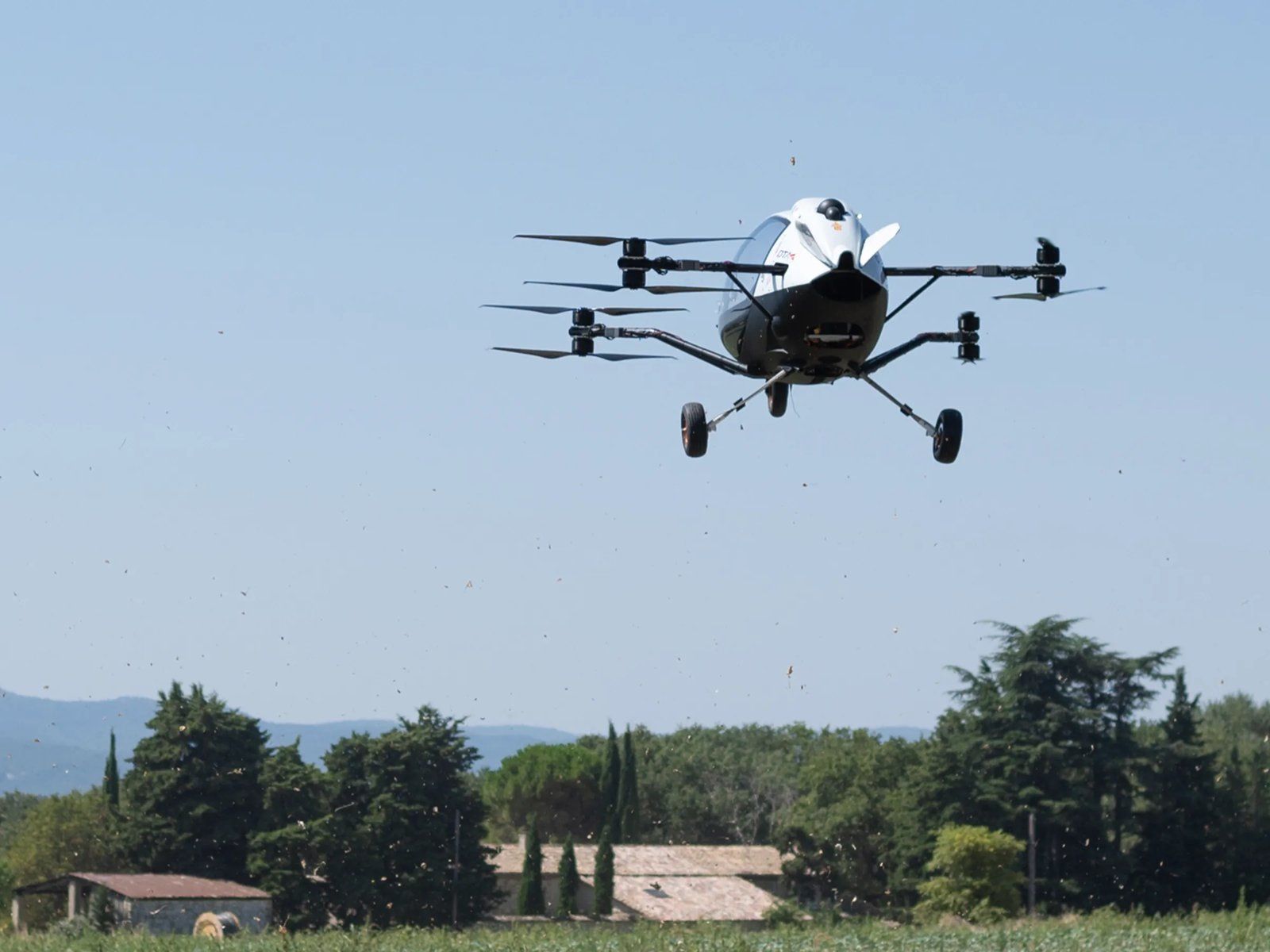
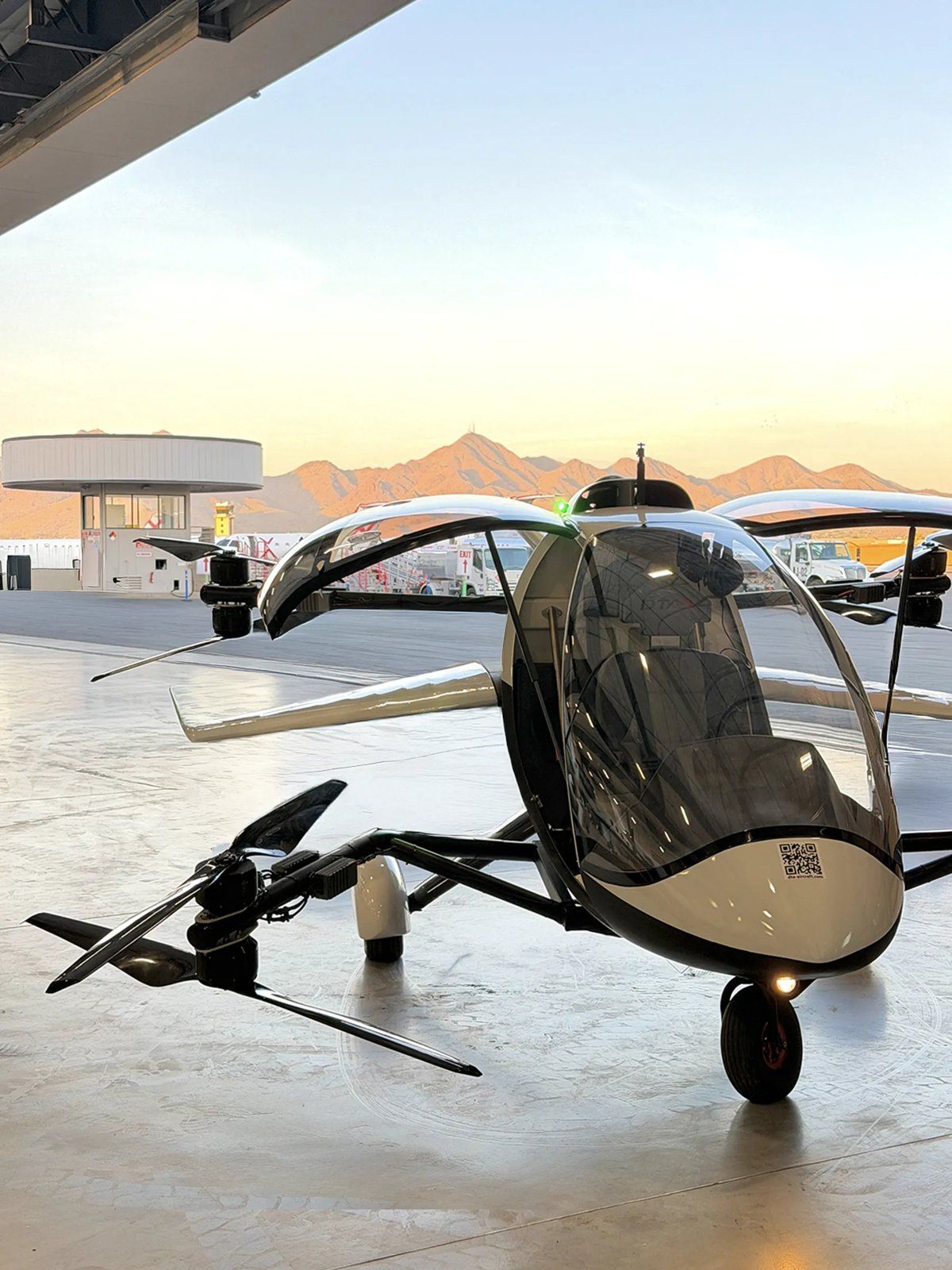
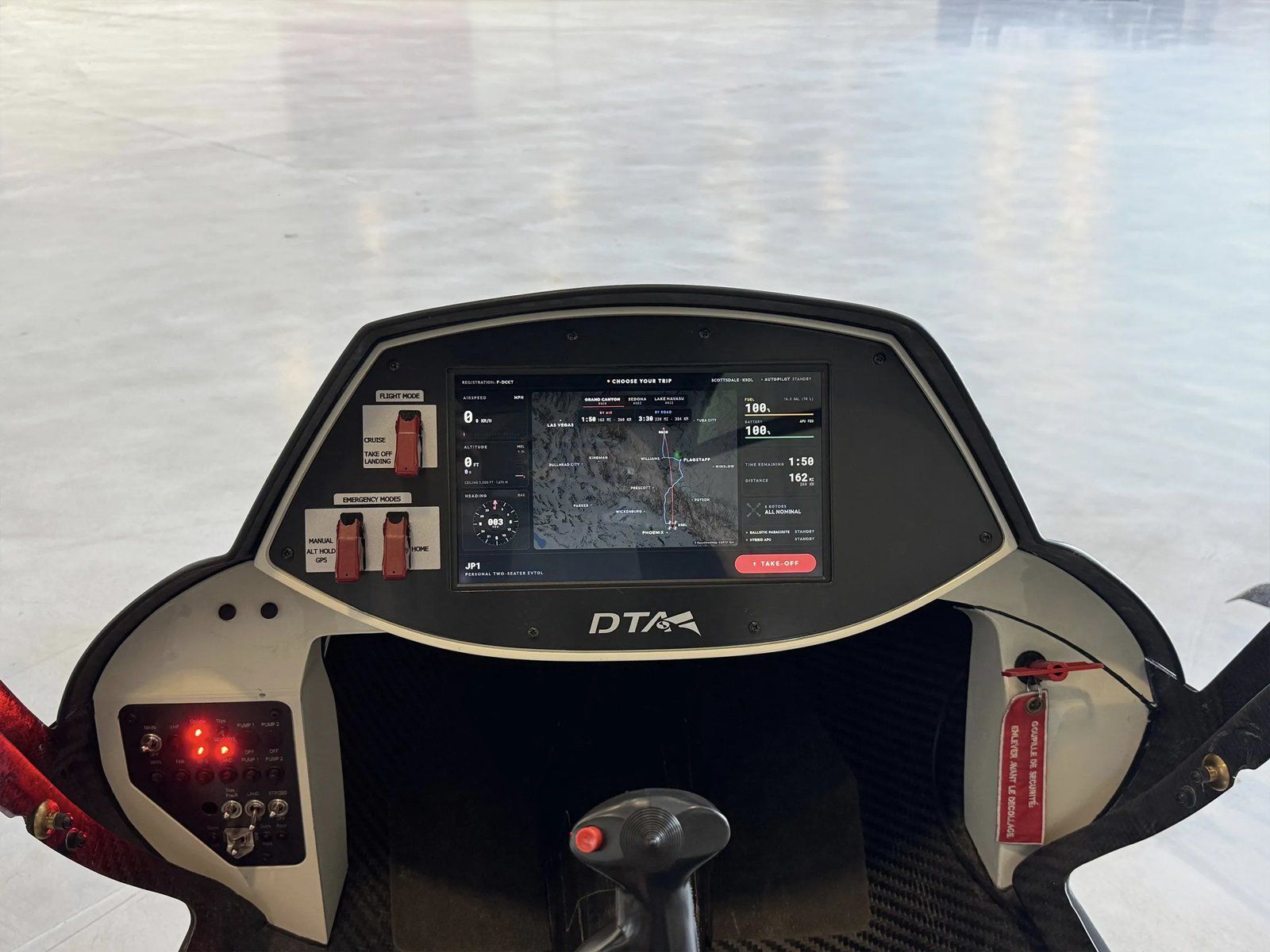
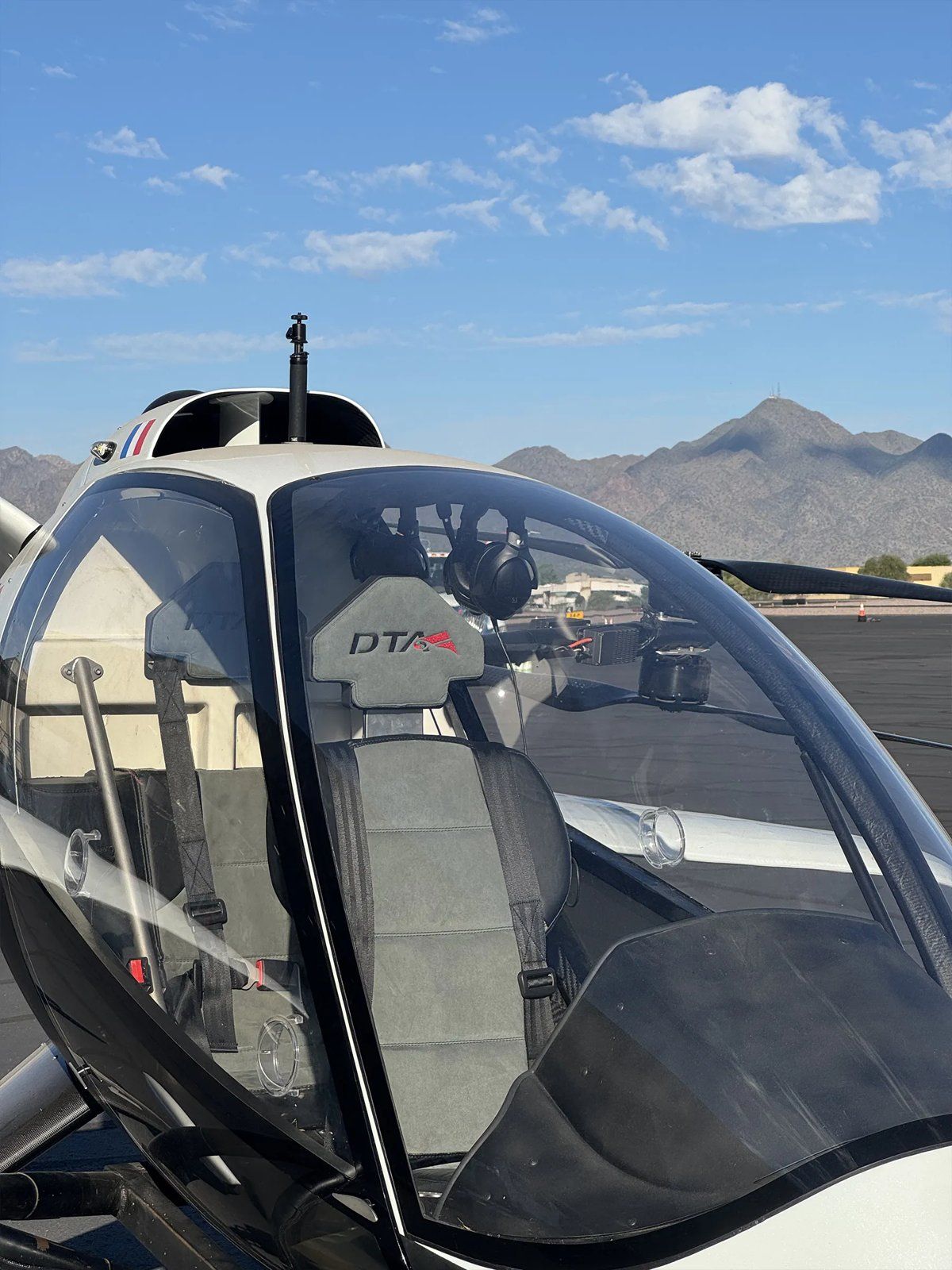
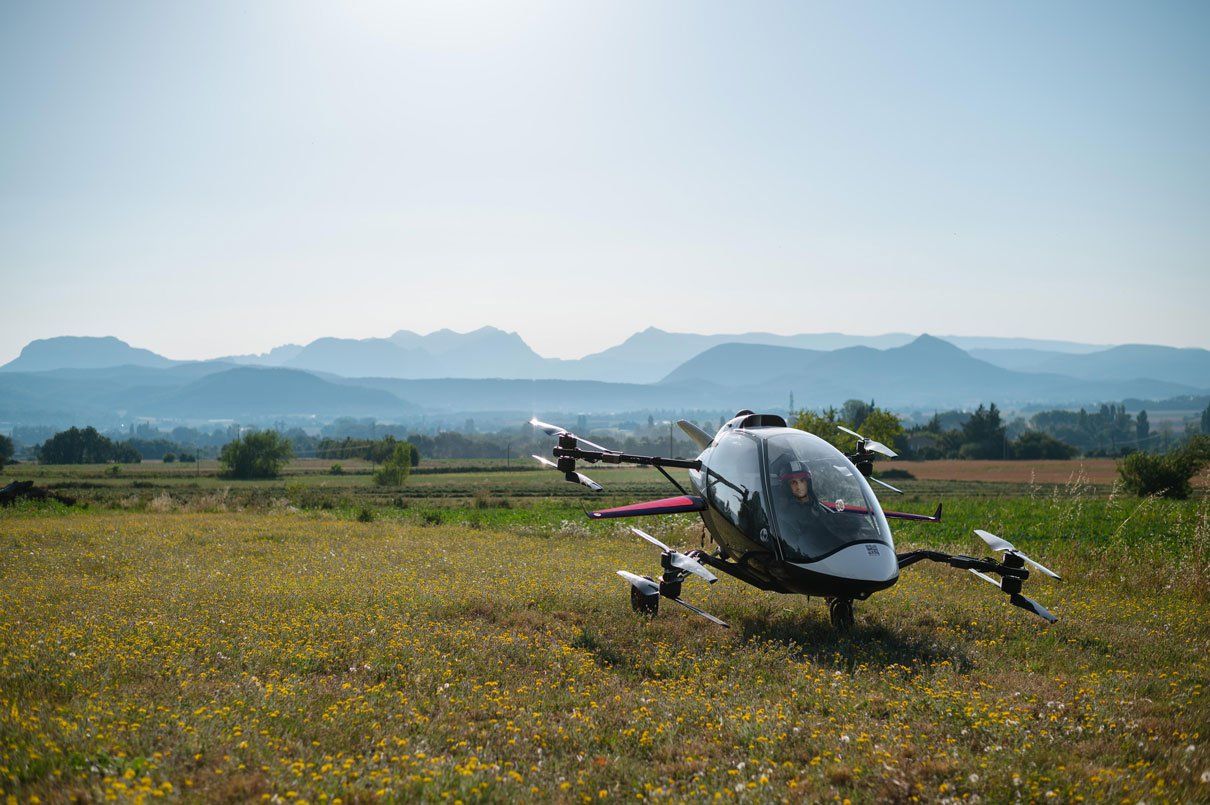
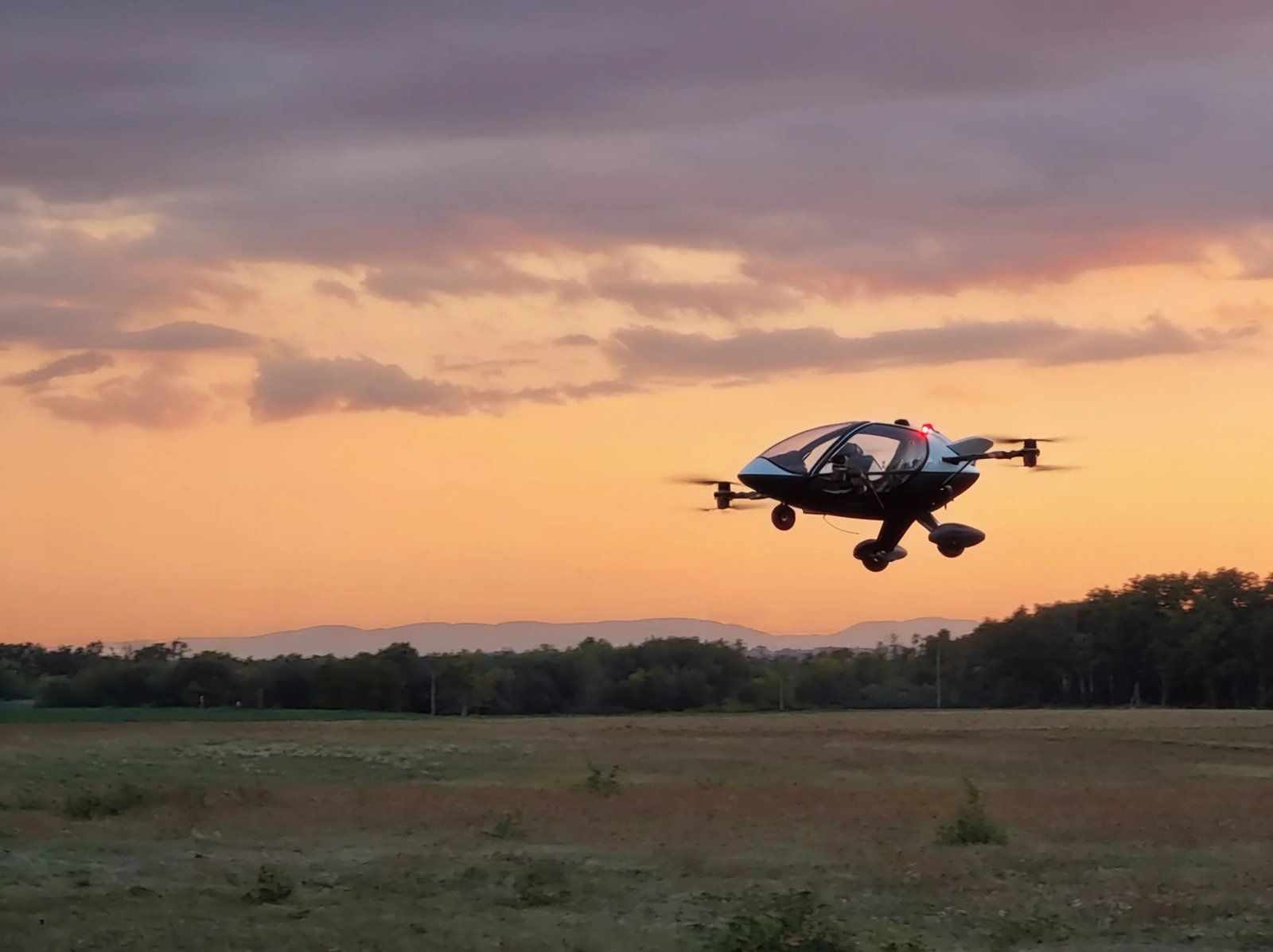
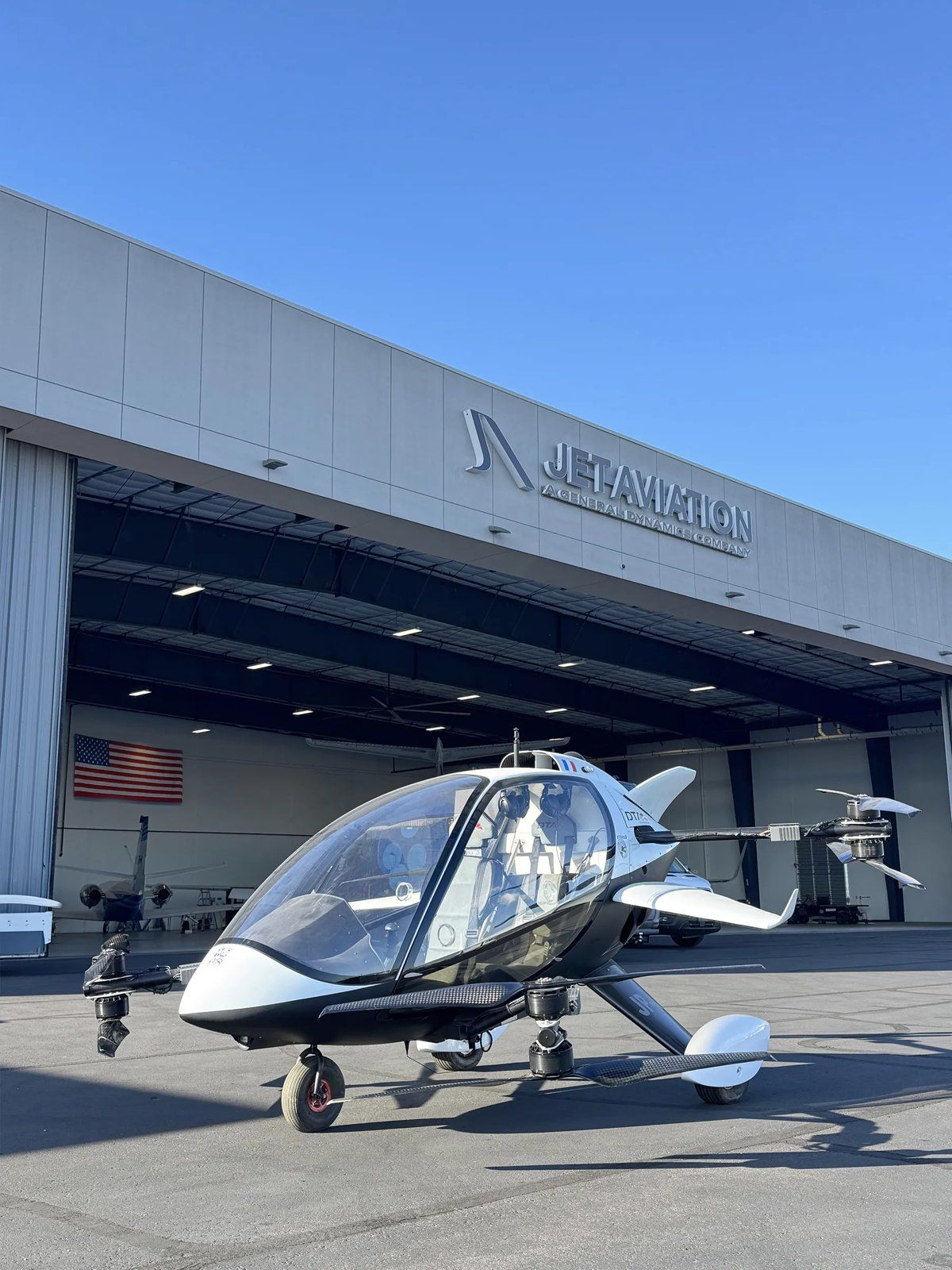
In the hangar, on the ramp, and in the air.
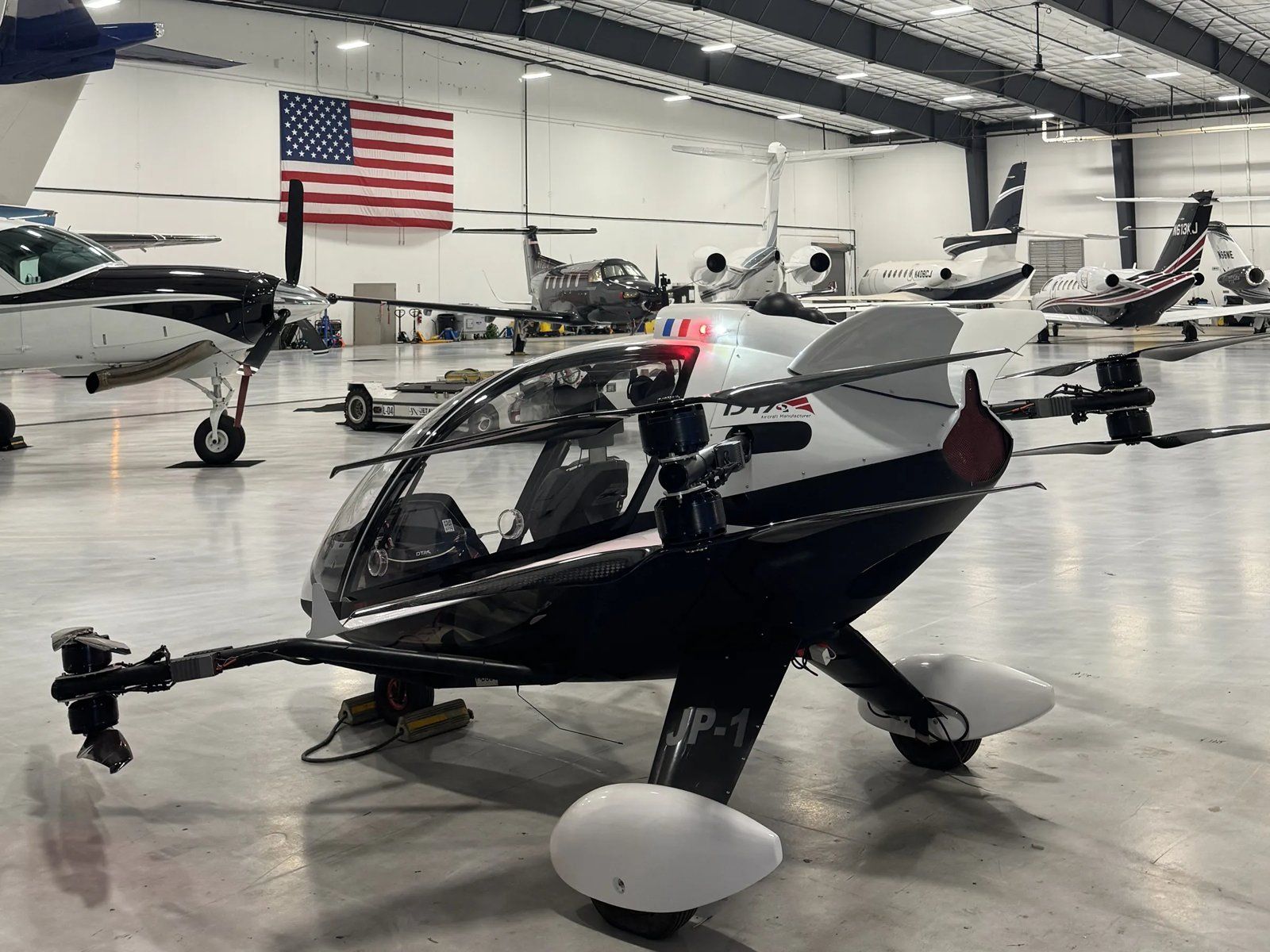
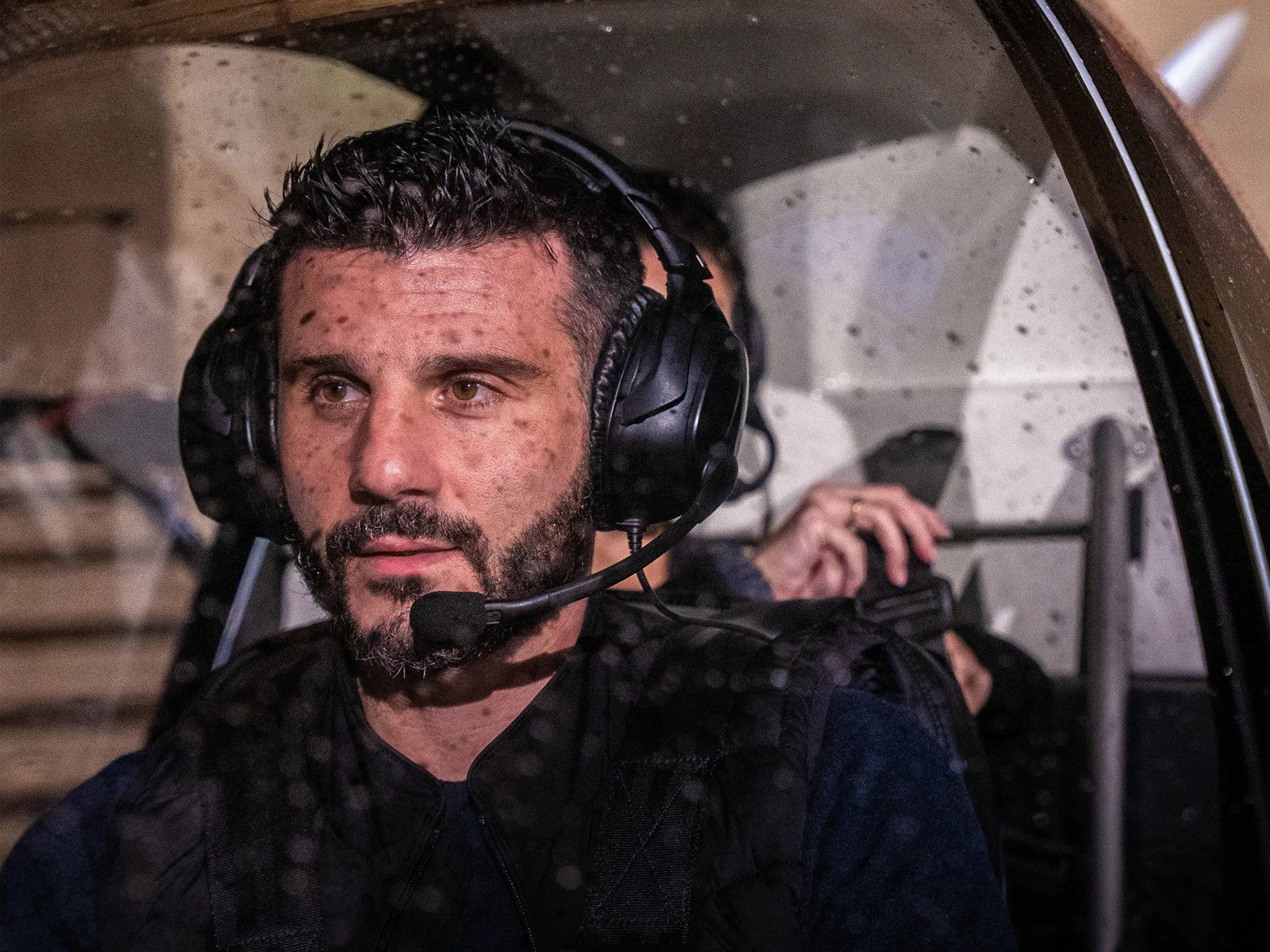
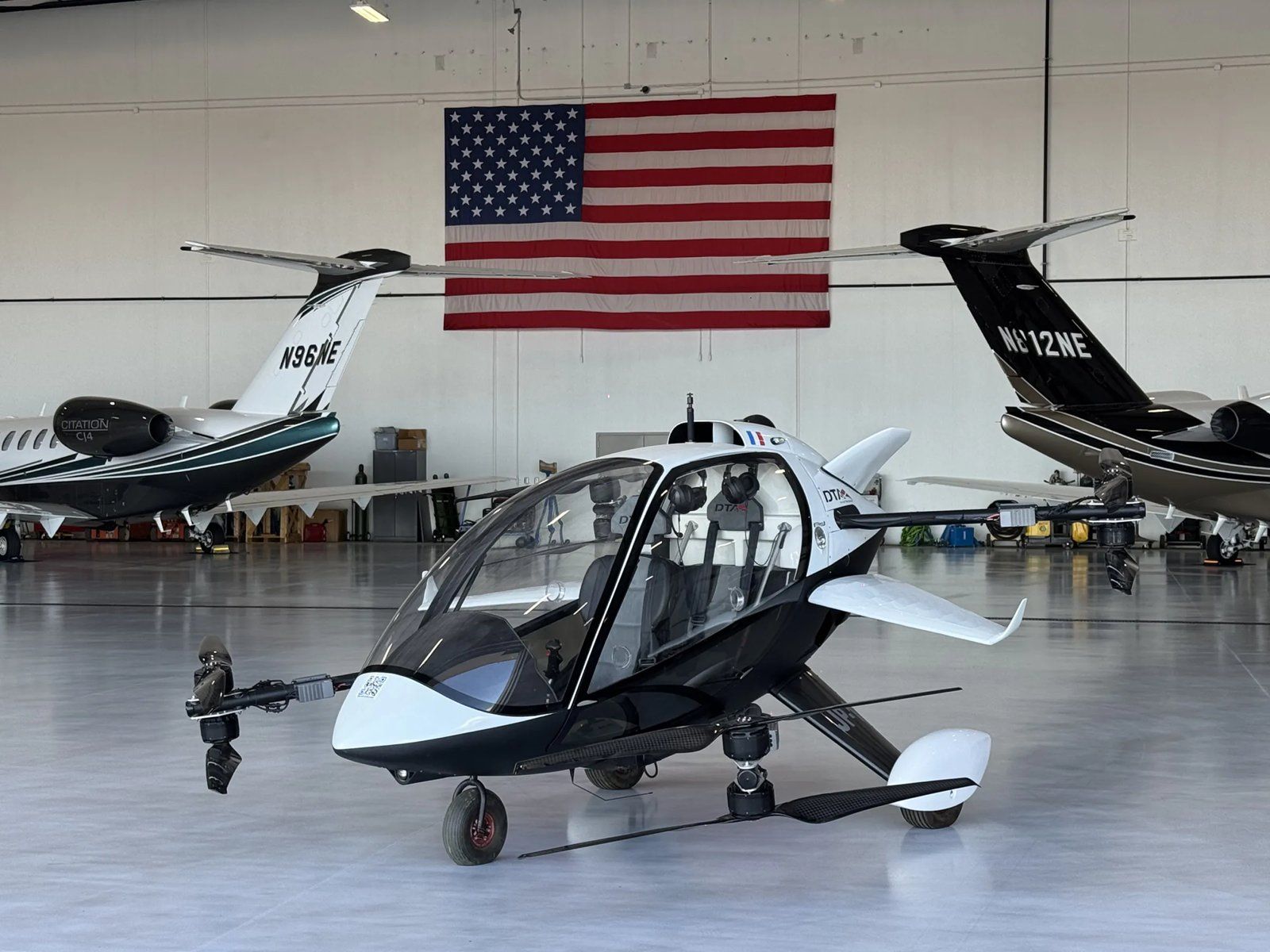
Technology and safety
DTA designed for the worst case first, then made it beautiful.
Battery packs plus an onboard range extender that generates electricity in flight. Two full hours with two people on board, and 30 minutes on batteries alone if the range extender stops.
Stays operational with up to four propeller failures, provided each boom keeps one working propeller.
A whole-airframe ballistic parachute brings the entire aircraft down under one canopy. It deploys automatically if a boom loses both of its propellers.
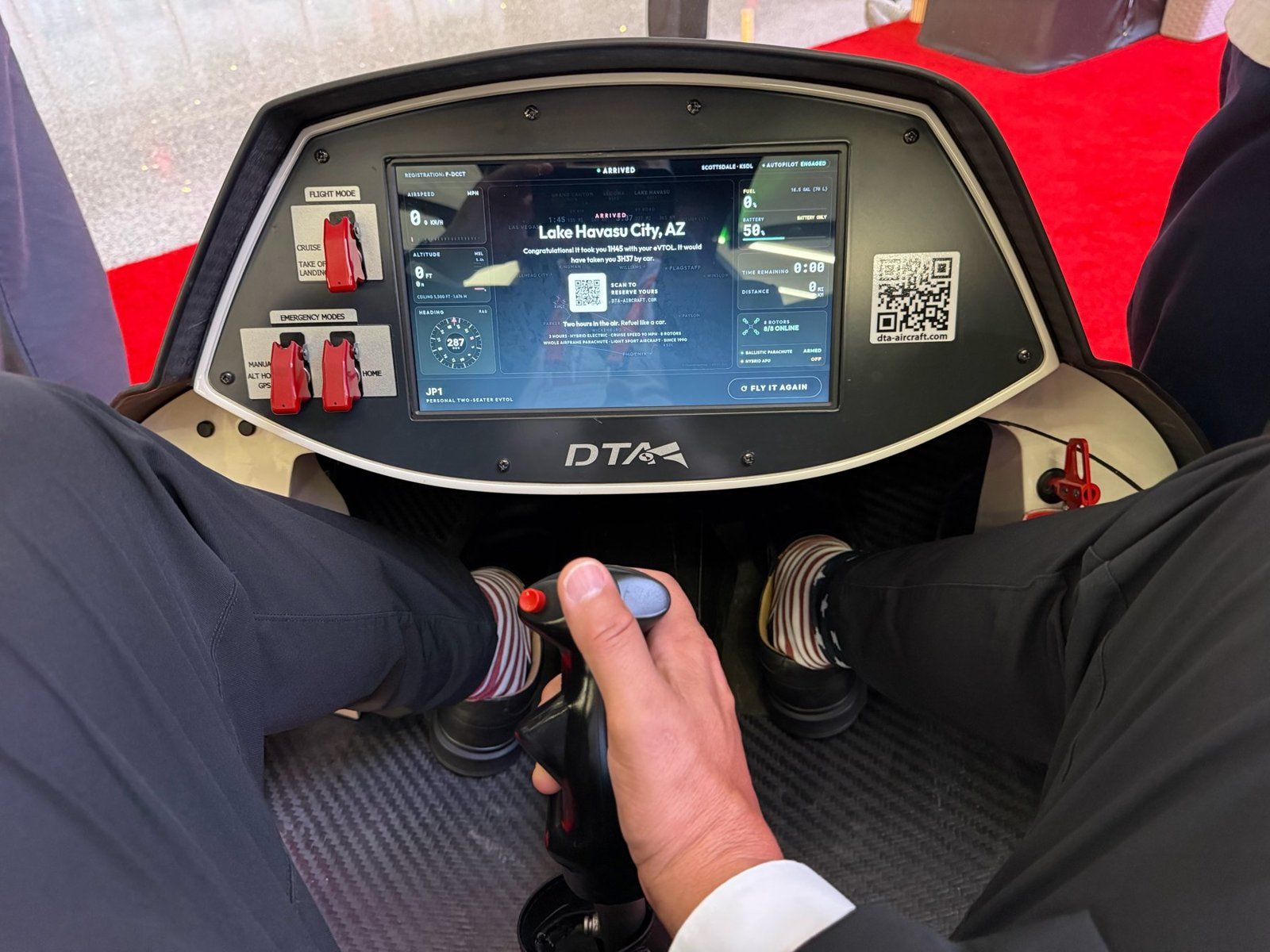
The autopilot flies. You decide where. Automatic takeoff, point-to-point flight, and landing.
The JP1 is built around redundancy a two-seat piston helicopter does not have. It flies on eight rotors and keeps flying with up to four propeller failures, as long as each boom keeps one working propeller, where a piston helicopter has one engine. It carries a whole-airframe ballistic parachute that brings the entire aircraft down under one canopy. An autopilot handles stabilization, so it does not demand the continuous stick and pedal coordination that makes helicopters demanding to fly. Same missions, a structurally safer machine, and far easier to learn.
The JP1 flies on eight rotors across four booms and stays operational with up to four propeller failures, provided each boom keeps one working propeller. Four battery packs feed the rotors in a crossed layout, so a single pack failure never takes out two rotors on the same side. If everything fails at once, the whole-airframe ballistic parachute brings the aircraft down under one canopy.
The batteries take over. The JP1 keeps 30 minutes of flight on batteries alone if the APU stops, time to reach a landing spot and land normally.
The entire aircraft comes down under one canopy, the same principle as the Cirrus CAPS system in general aviation, applied to a much lighter aircraft. You will probably damage the aircraft. You will not be the one who is damaged.
The JP1 carries ADS-B, the traffic surveillance system used by general aviation in the United States, together with a Mode S transponder: controllers and other aircraft see the JP1, and the JP1 sees them. The autopilot reads that traffic picture and resolves a converging conflict automatically, and the pilot can take over at any moment. For the ground, a LiDAR sensor reads the exact height above terrain on approach, assesses the landing zone for slope and obstacles, and detects wires and power lines in low-level flight. As on any aircraft, the pilot remains responsible for separation.
The numbers
The JP1 is under development and is not yet certified. Figures are preliminary and may change as the aircraft reaches its final production configuration. Source: DTA Aircraft, dta-aircraft.com/jp1, 24 Nov 2026, and the October 2026 spec sheet.
From DTA's October 2026 spec sheet and official llms.txt. Same preliminary-figures disclaimer applies.
How redundancy works
Eight brushless rotors sit across four booms, each boom a stacked propeller pair. Four battery packs each feed rotors at opposite positions on the airframe, so a single pack failure never takes out two rotors on the same side. If a boom loses both of its propellers, the whole-airframe ballistic parachute deploys automatically.
Manufacturer story
Trikes, wings, gyroplanes: 595+ aircraft built in France and flying in 33+ countries. The JP1 is what comes next.
DTA has been building aircraft in France since 1990, so the JP1 did not start from a blank sheet. It grew out of the J-RO, DTA's tandem two-seat gyroplane. DTA kept what works, replaced the free-spinning rotor with eight electric ones, and added a parachute.
Same mission. Half the compromise. Figures in this table are as published by DTA Aircraft on 24 Nov 2026 and have not been independently verified by JFA Aviation.
| DTA JP1 | Robinson R22 | AIR ONE | SkyFly | Pivotal Helix | |
|---|---|---|---|---|---|
| Category | Personal eVTOL | Piston helicopter | Personal eVTOL | Personal eVTOL | Single-seat eVTOL |
| Power | Hybrid-electric | Piston | Electric | Electric | Electric |
| Endurance | 2 h | 2h30 | 1h | 1h | 20min |
| Seats | 2 | 2 | 2 | 2 | 1 |
| Safety | Airframe parachute | None | Not yet | None | Parachute |
| Autopilot | Standard | None | Standard | Standard | Standard |
| Price | $385K | $375K with options | $400K to $600K | $400K | $190K |
Direct operating cost
Flying out for lunch now costs $200 to $400 in a light aircraft. DTA states the JP1 flies for about $85 an hour.
Fuel burn is about the same. The difference is what you never have to rebuild.
$0 scheduled maintenance on the eight electric motors. Four years of prototype flying, none needed.
At 100 hours a year, DTA's math: JP1 $8,500. Cessna 172 $15,900. Robinson R22 $20,300. You keep $11,800 a year against the two-seat helicopter.
Direct operating cost per flight hour includes fuel, oil, scheduled and unscheduled maintenance, and overhaul reserves. Insurance, storage, and depreciation are excluded. DTA JP1: DTA estimate from supplier data, Jet A at $7.83/gal (US average, October 2026). Robinson R22: Robinson Helicopter 2026 operating cost estimate, 100LL at $7.37/gal. Cessna 172: owner direct cost (CRAFT, October 2026), landing fees excluded. The JP1 is under development. Figures are preliminary and may change as the aircraft reaches its final production configuration.
The same trip, two ways
A drive that winds through the desert becomes a straight line. About 70 minutes one way, against two and a half hours by road.
There is one road to the Keys, and everyone is on it. About 95 minutes one way, skipping the four-hour drive down US-1.
Friday afternoon, the I-10 is a parking lot. About 80 minutes one way, against two to three hours by car.
What it takes to fly it
The FAA MOSAIC rule makes the JP1 operable as a Light Sport Aircraft. You fly it as a Sport Pilot: about 20 hours of training, no FAA medical, a valid driver's license covers the medical privilege.
Yes. You fly it as a Sport Pilot under the FAA's MOSAIC rule, in force since July 24, 2026: about 20 hours of training, no FAA medical exam, and a valid driver's license covers the medical privilege. If you already hold an FAA pilot certificate, you fly the JP1 on it with Sport Pilot privileges, with only training on the JP1 and a logbook endorsement from a CFI.
No. The JP1 is a two-seat aircraft, so it is not a Part 103 ultralight, which carries one person. It is on a Light Sport Aircraft certification path under the FAA MOSAIC rule, in the multicopter category, and flying it in the US will require a Sport Pilot certificate: about 20 hours of training and no FAA medical. DTA's trikes and gyroplanes are a separate family of aircraft.
MOSAIC is the FAA framework that modernized the Light Sport Aircraft category. The final rule was published on July 24, 2025, the sport pilot and maintenance provisions took effect on October 22, 2025, and the Light Sport Aircraft certification provisions have been in force since July 24, 2026. It removes the old takeoff weight limit, allows higher stall and cruise speeds, and expands Sport Pilot privileges to heavier and more capable aircraft. That is what makes an aircraft like the JP1 eligible, and flyable by a Sport Pilot carrying a passenger.
Not yet. The JP1 is on a Light Sport Aircraft certification path under the FAA MOSAIC rule, in the multicopter category. DTA's gyroplanes have been FAA compliant for years and hold DULV certification in Europe, but that record belongs to the gyroplanes, not to the JP1.
About 20 hours of training under the Sport Pilot rules, taken at a partner flight school. If you already hold an FAA certificate, you need only training on the JP1 and a logbook endorsement from a CFI. Training is not included with the aircraft, and the price depends on the school.
You fly it. The autopilot is the primary controller: you express intent, direction, altitude, landing, and the aircraft handles stabilization and the control surfaces. You make the decisions, the aircraft executes them. It is not an autonomous aircraft and it is not a passenger drone.
No runway needed: the JP1 takes off and lands vertically. Trailer it to a field, a ranch, a lodge, or an event and fly from there, so the aircraft is not tied to the airport that stores it. At a hotel or a lodge with a helipad, it lands on the pad, then taxis off under its own power with the propellers stopped, freeing the pad for the next arrival. As for any aircraft, FAA rules and the landowner's permission apply.